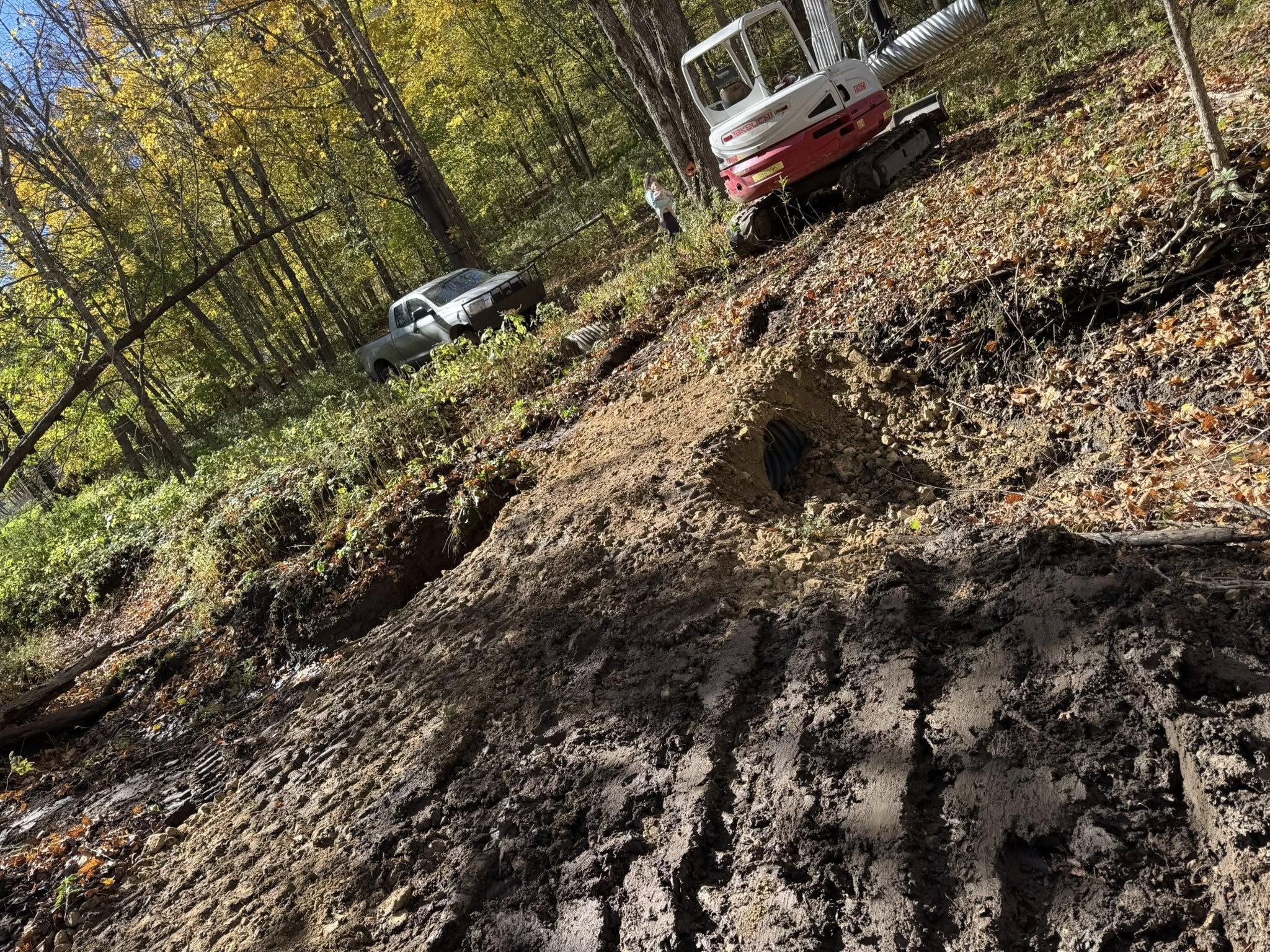
Sustainable Practices in Land Clearing and Site Preparation Jun 26, 2026
Understanding the significance of sustainable practices begins with recognizing the environmental impact of traditional land clearing methods. Conventional techniques often result in habitat destruction, soil erosion, and increased carbon emissions. In contrast, sustainable land clearing involves strategies that minimize environmental disruption. This approach not only preserves biodiversity but also enhances soil fertility, ensuring that land remains viable for future use.
One of the key strategies employed by H&R Land Services and Excavating is selective clearing. This method involves carefully identifying and removing only those trees and vegetation that directly impede development. By preserving significant portions of the natural landscape, selective clearing maintains ecosystems and promotes biodiversity. This strategy also prevents unnecessary deforestation, aligning with broader environmental conservation goals.
Another sustainable technique is the use of specialized machinery designed to reduce emissions and minimize soil disturbance. These machines are equipped with technology that allows for precise clearing, reducing the amount of land affected by a project. By lessening the impact on the soil, these machines help maintain its structure and fertility, which is crucial for land recovery and regrowth.
Recycling and reusing materials is another cornerstone of sustainable practices in site preparation. Materials such as wood, metal, and concrete can often be salvaged from demolition sites and repurposed for other uses. By diverting waste from landfills, H&R Land Services and Excavating not only decreases the environmental footprint of their operations but also supports a circular economy, lowering the demand for new resources.
Erosion control is an integral part of sustainable site preparation. Implementing techniques such as silt fencing, erosion control mats, and bioengineering can prevent soil loss and water pollution. These practices are essential for protecting water quality in nearby streams and rivers, preserving aquatic habitats, and maintaining the natural landscape's integrity.
Implementing sustainable practices also provides economic benefits. With the rising costs of resources and stringent environmental regulations, eco-friendly methods can lead to cost savings. Reduced waste disposal costs, lower emissions, and efficient resource utilization translate to financial incentives for both contractors and clients.
In conclusion, sustainable practices in land clearing and site preparation represent an essential advancement for demolition contractors like H&R Land Services and Excavating. By integrating eco-friendly strategies such as selective clearing, using advanced machinery, recycling materials, and enforcing erosion control measures, companies can significantly reduce their environmental impact. These practices not only foster a healthier planet but also drive a more sustainable construction industry. As we move towards a more environmentally conscious future, adopting these methods will ensure that development projects align with ecological preservation and sustainability goals. By choosing sustainable land clearing practices, businesses can help safeguard our natural resources for future generations.
/filters:no_upscale()/filters:format(webp)/media/65e9b710-932e-46be-8d9e-aba67125ade6.jpg)